Orient, then machine
The rotary axes position the part or tool before cutting with three linear axes. Several angled faces may be accessible without simultaneous five-axis motion.
 MOLITECHContact us
5-axis machining
For features on several faces or at complex angles. Review tool orientation, clamping and access before deciding whether a five-axis route is appropriate.
Request a five-axis reviewCompare machining routes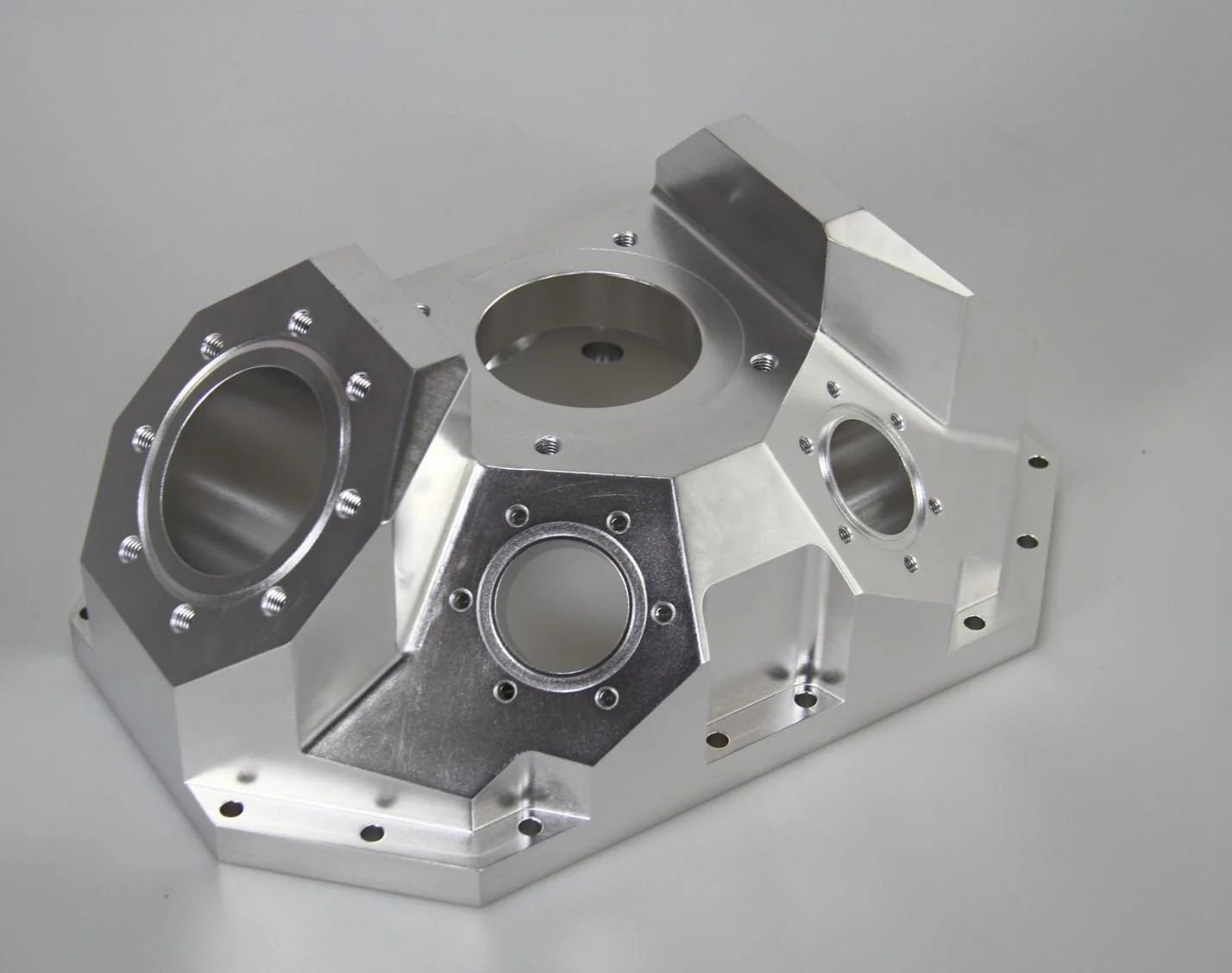
A five-axis route changes the angle between the cutter and the workpiece. It can help reach angled features or complex surfaces, but usefulness depends on geometry, tool and holder clearance, stability and the available clamping surfaces.
Liwen coordinates the access review with the independent manufacturer. Share the 3D model and released drawing together, including cross-face relationships and finish requirements. No fixed setup reduction or universal precision is assumed. Material, inspection scope and delivery are agreed for your order.
The rotary axes position the part or tool before cutting with three linear axes. Several angled faces may be accessible without simultaneous five-axis motion.
Linear and rotary motion work together along the toolpath. Complex surfaces may justify this approach; the particular part and manufacturer must be assessed.
Which dimensions affect fit or assembly?
Does coating change a critical size?
What datum and measurement basis apply?
Which records need to accompany the parts?
A close fit needs a clear requirement. Tell us what must fit together, whether dimensions apply before or after treatment, and which features need inspection records.
Specify the grade, condition and any certification needed. Grade and availability confirmed with your quotation.
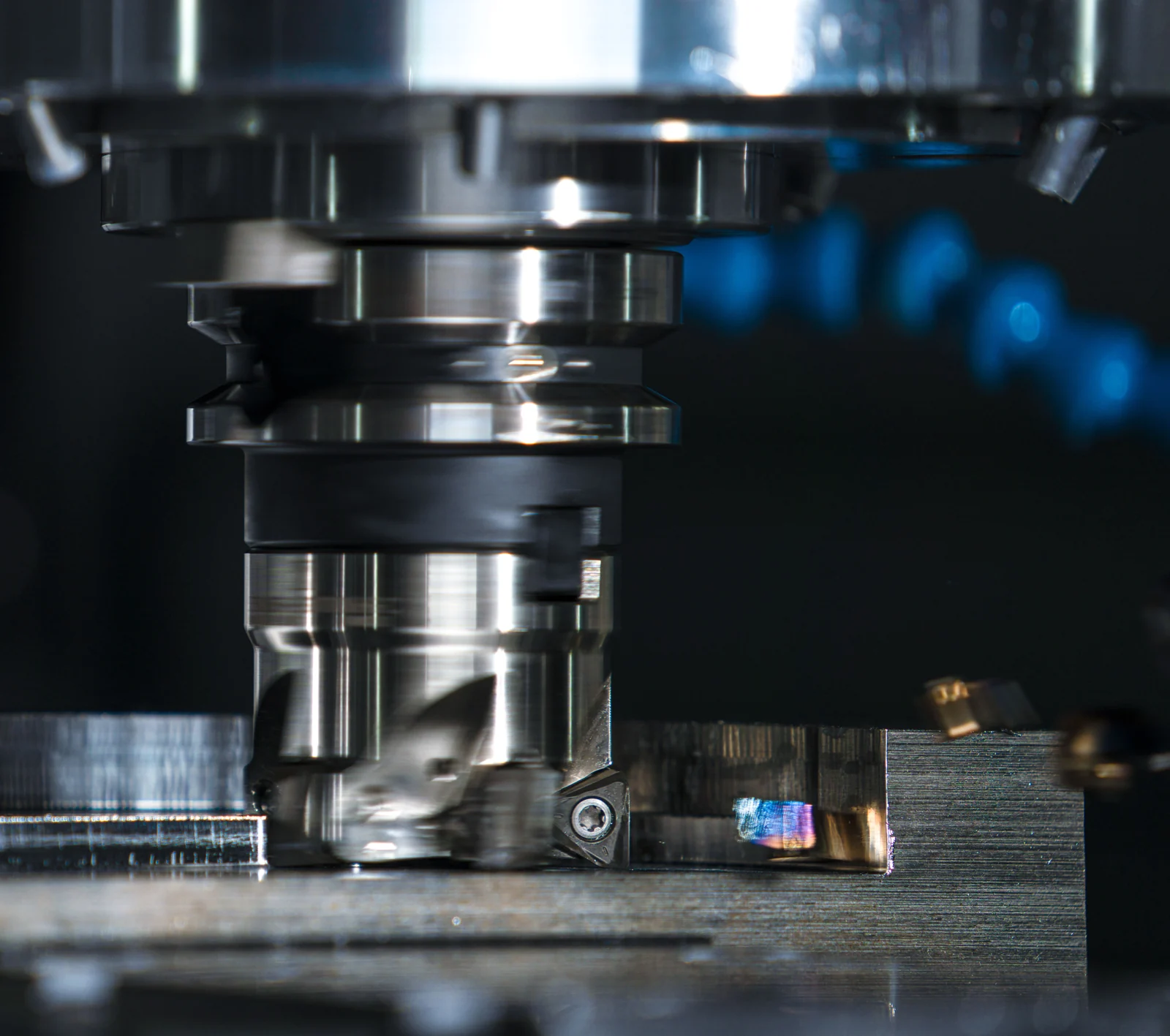
Specify datum and surface requirements.
Cosmetic finish must be distinguished from a dimensional requirement.
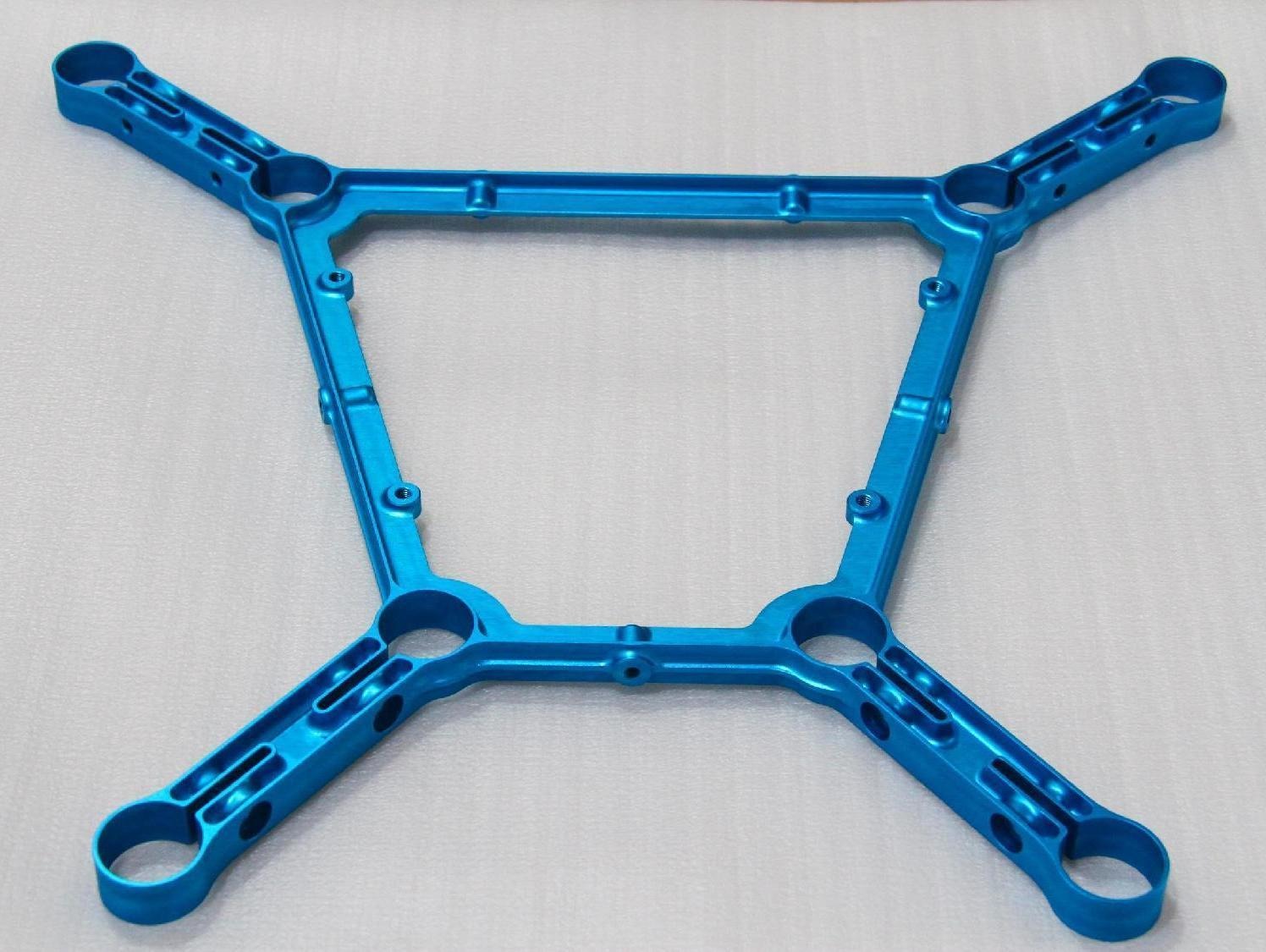
Coating and final dimensions are reviewed together.
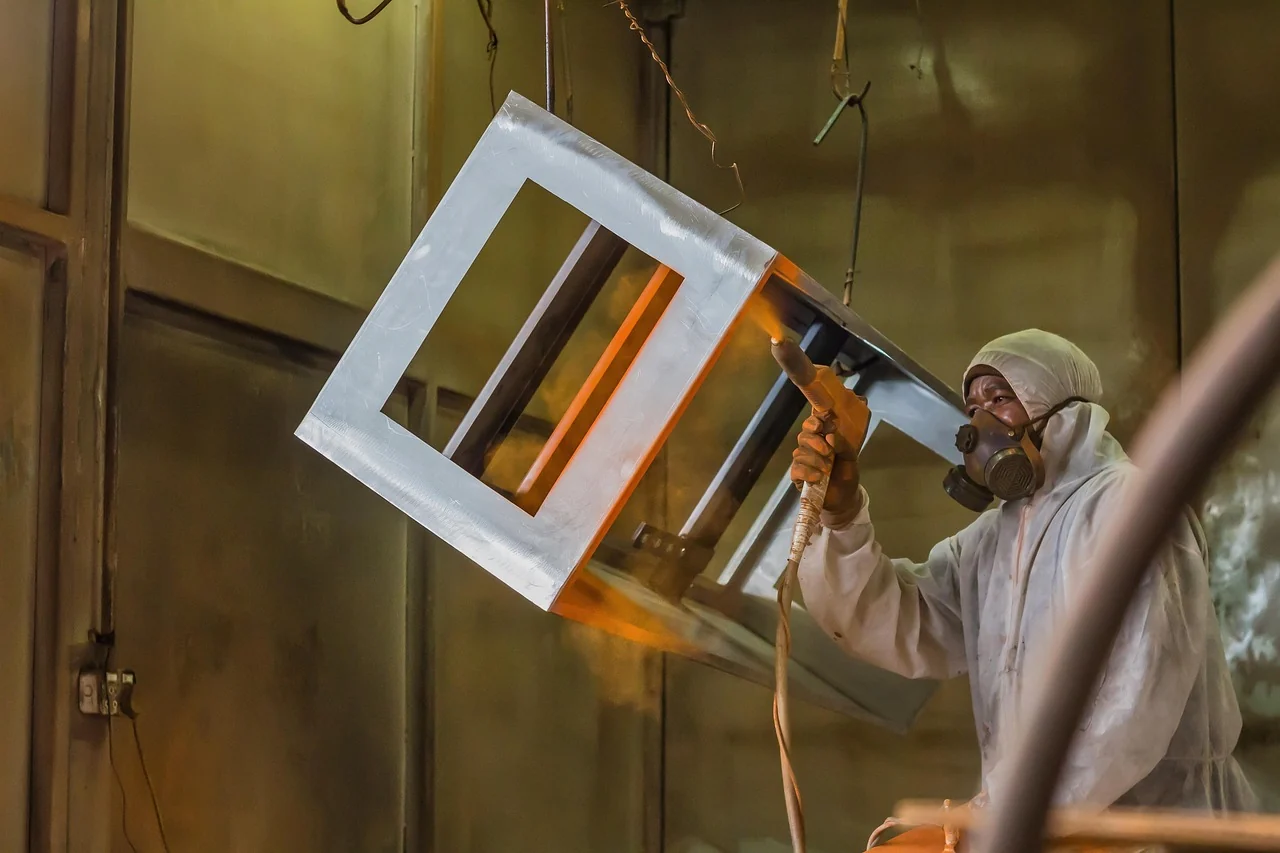
State finish, masking and marking requirements in the enquiry.
Tell us about material, packaging or documentation requirements so they can be included in your quotation.
Discuss your requirements →Provide the 3D geometry, released 2D requirements, material, quantity and critical cross-face relationships.
Identify angled faces, deep areas, thin walls, collision-sensitive features and possible clamping locations.
Review indexed versus simultaneous motion, workholding and any necessary setups with the manufacturer.
Confirm datums, measurement access, finished dimensions and inspection records for the order.
Send the order or batch, photographs and measurement basis. Molitech reviews the concern and coordinates an investigation with the manufacturer.
The agreed acceptance standards determine the solution. Rework, replacement, costs and timing follow the order agreement.
Contact LiwenCarry clear requirements from drawing to acceptance. Liwen coordinates questions with the independent manufacturer; review scope and records are agreed for your order.
Identify the drawing revision, key dimensions, datums and functional interfaces. Flag missing or conflicting requirements for customer clarification.
Review tool access, workholding, thin walls and difficult features with the proposed independent manufacturer. Customers approve any proposed design changes.
Distinguish functional fits and feature relationships from general requirements. Assess demanding tolerances for the particular part and route.
Agree the measurement basis for critical features, required records and any sampling or acceptance criteria in the order. Resolve different measurement interpretations before production.
Discuss possible changes to material, geometry, finish or quantity against function and inspection requirements. Savings are assessed for the project rather than guaranteed.
Customer confirmation: unresolved requirements, proposed design changes and acceptance arrangements need your approval before the affected work proceeds. Molitech remains your contracting seller.
No fixed setup count is promised. Tool access, stability, clamping and inspection can require different setups for different parts.
Deep cavities, thin walls, small internal radii and relationships between faces should be identified before quoting.
Send the drawing revision, material, quantity, destination and target delivery date. Use an authorised link or agree a confidential email route with Liwen.
The drawing and selected route define the tolerance review. Quotation within 24 hours. Production lead time: 10–15 days to dispatch. Delivery according to the agreed schedule. Precision requirements are reviewed for the part.
Molitech quotes, contracts and receives payment as your seller. Independent partner manufacturers produce the parts.
Features on several faces or curved surfaces can make this route worth discussing. Tool access and how the part can be held help determine the approach; share the complete drawing with Liwen.
Share the model and drawing. Identify the angled features, datum relationships and access concerns for review.